NDIS High Intensity Support in Melbourne, Bendigo and Geelong
High Intensity Support is disability support for people whose daily support includes complex health-related needs and requires workers with the right training and capability. Myxa delivers this through clear plans, clinical input and escalation when needed.


Everyday life.
Specialist capability.
In short.
- 01
What it is: Disability support for people with complex health-related support needs that require specific worker skills and training.
- 02
How it is delivered: Support is planned with the relevant clinician and delivered by workers trained in the participant’s specific high intensity supports.
- 03
Where: At home, in supported living arrangements and in the community.
- 04
To refer: Share any relevant health plans, clinical reports and support information you have.
When everyday support requires specialist capability
Everyday support requires specialist capability when it includes a High Intensity Daily Personal Activity where greater risk means the support must follow a participant-specific plan and be delivered by workers with additional skills and training.
- Everyday support
Daily disability support
- Includes
A High Intensity Daily Personal Activity
Greater risk
Specialist capability

- Must follow
A participant-specific plan
- Delivered by
Workers with additional skills and training
Who high intensity support is for

The NDIS Commission calls these supports High Intensity Daily Personal Activities.
If these supports are part of the person’s everyday disability support, talk to us about the referral. We will confirm the support requirements during intake.
Its skills descriptors cover
Select any that apply- complex bowel care
- urinary catheter support
- subcutaneous injections
- ventilator and tracheostomy support
- dysphagia and mealtime management
- enteral feeding
- complex wound care
The Commission also offers separate general guidance on epilepsy and seizure support.

Complex Health and Clinical Needs
With your treating team. Not around them.
Myxa is a disability support provider, not a health service, and that distinction matters. Where your Support Plan includes high intensity supports, those supports are developed with the relevant nurse or clinician and delivered in line with the participant-specific plan and clinical guidance. We work with your treating team rather than making clinical decisions ourselves.
Talk Trough A ReferralTrained and competent support teams
A place for your next chapter.
- 01
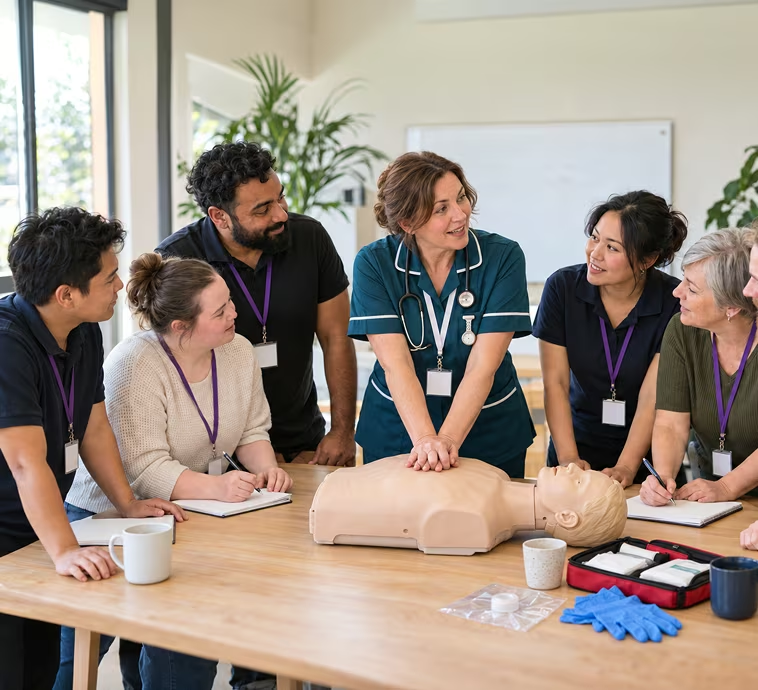
Comprehensive induction.
Our induction covers the core knowledge, responsibilities, safety, documentation and support practices workers need before they begin supporting participants.
- 02
Person-specific training.
Support Workers then complete training specific to the person they will support, including their Support Plan, health-related needs, risks, communication and routines.
- 03
Clinical and allied health training.
Where high intensity supports are involved, relevant clinicians or allied health professionals provide targeted training and guidance for the participant’s specific supports.
- 04
Ongoing competency and refresher training.
Training does not stop at induction. Skills are refreshed and reviewed as support needs, plans or clinical recommendations change.
Clinical Governance and Risk Management
High intensity support needs more than trained workers. It needs clear clinical direction, oversight and escalation around the team.
- 01
Clinical direction
High intensity supports follow participant-specific plans developed or overseen by the relevant health practitioner.
- 02
Operational oversight
In Myxa supported living, the SIL Manager oversees quality, safeguarding, incidents and risk management.
- 03
Monitoring and communication
Support is documented as it happens so changes, concerns and follow-up actions can be reviewed and shared with the relevant team.
- 04
After-hours escalation
Staff have access to after-hours support, with escalation through management when a situation requires it.
Support at home and the community
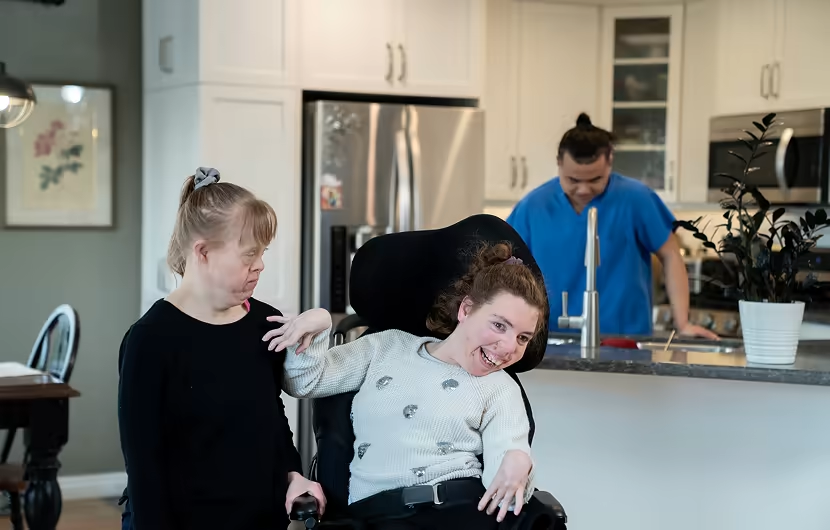
High intensity support is not limited to one setting. Where a participant’s plan requires it, the same support instructions, trained staff and clinical guidance need to follow them through daily life.
- At home
support is delivered in line with the participant’s current plans and routines.
- In the community
the same requirements continue during appointments, activities and outings where relevant.
- Across settings
staff work from the same plans, documentation and escalation processes.
Information for families and support coordinators
- For you / 01
Families and representatives
With the participant’s consent, we keep families and representatives informed about changes, concerns and what the support team is seeing day to day.
Let’s Talk - For you / 02
Support coordinators and hospital teams
We share relevant updates, flag changes in support needs and work with the wider team so clinical directions, disability support and transition planning stay aligned.
Let’s Talk